 07
Oct
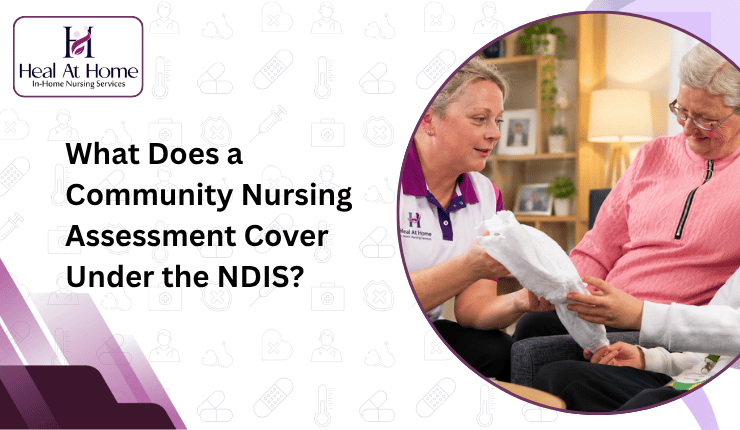
Managing health needs at home with a disability often takes more than a GP visit here and there. That’s where a community nursing assessment under the NDIS comes in; it’s how a nurse works out exactly what kind of support you need, how much of it, and how to keep things safe day to day.
Community nursing care NDIS supports can cover things like wound care, medication help, continence management, complex health monitoring, and training for support workers. The NDIS treats this as its own registered category, separate from general disability support. So what actually happens in the assessment itself? Here’s the breakdown.
What Is a Community Nursing Assessment Under the NDIS?
A community nursing assessment is a structured, hands-on review carried out by a qualified nurse. It’s not just a blood pressure check and a chat; it’s about understanding how your disability affects your ability to manage health-related tasks on your own.
The NDIS is fairly specific here: nursing supports need to be disability-related. Things that sit under mainstream healthcare, like a standard GP appointment, generally aren’t funded through this pathway. The assessment is really about drawing that line and figuring out where NDIS support actually applies.
What Does the Nurse Actually Assess?
No two assessments look identical, since they’re shaped by the person’s condition, goals, and daily life. That said, most nurses work through a similar set of areas.
Health and Medical History
This is usually where things start. The nurse would require information about:
- Pre-existing illnesses
- Current medications
- Previous hospital admissions
- Allergies
- Previous nursing care
- Current treatment program
They can also check any letters from your GP or allied health professionals.
Daily Health Management
Now to the practical aspect: what you can do yourself and what you need help with. The nurse may assess your ability to:
- Take medications correctly
- Manage continence needs
- Follow health routines
- Notice changes in condition
- Use medical equipment
This helps determine whether you need direct nursing care, occasional supervision, or just some training to build confidence.
Complex Care Needs
Some participants have needs that call for genuine clinical expertise. This part of the assessment might cover:
- Enteral feeding
- Catheter care
- Wound management
- Respiratory support
- Seizure management
- Medication administration
The nurse weighs up how clinically complex the care is and who’s realistically qualified to deliver it.
Home Safety and Risk
Where you live matters just as much as your diagnosis. The nurse will look around for anything that could compromise safety, trip hazards, equipment issues, or gaps in how care is currently delivered.
If tasks are being handed over to support workers, this is also where the nurse flags whether extra training is needed. NDIS nursing support can include not just hands-on care but training and supervision for the people around you too.
Continence and Personal Health
For anyone needing continence support, the nurse will assess current products, routines, and any ongoing difficulties. This isn’t just about picking a product off a shelf; it’s about finding what actually works for comfort, dignity, and independence. Continence assessment and training is specifically recognised as part of NDIS nursing support.
Does the Assessment Consider Independence?
Yes, and it’s a genuine focus. The nurse will look at which health tasks you can do solo, which need a nudge or reminder, and which need direct clinical hands-on care.
It’s worth noting this is different from a functional capacity assessment, which looks more broadly at things like communication, mobility, and social participation. A nursing assessment stays focused on health and clinical care specifically.
What Happens After the Assessment?
Once it’s done, the nurse pulls everything together into a report. This typically outlines:
- Recommended interventions
- Support frequency
- Clinical risks identified
- Medication needs
- Continence recommendations
- Carer training needs
- Ongoing monitoring plans
This documentation is genuinely useful when discussing support needs with your NDIS planner. One thing worth knowing, though, is a nursing report doesn’t automatically mean funding gets approved. It still needs to meet NDIS requirements.
How to Prepare for the Assessment
A bit of prep goes a long way. Before the nurse turns up, try to have on hand:
- Medication list
- Recent specialist reports
- Existing care plans
- Support worker details
- Recent health changes
- Current equipment used
It also helps to talk through an average day, not just your best or worst one. Being upfront about struggles, even small ones, gives the nurse a far more accurate picture to work from.
Why Community Nursing Matters
Being able to receive proper clinical care at home, rather than constantly relying on hospitals or clinics, makes a real difference for many people managing disability-related health needs. It supports independence and keeps routines intact.
It’s also worth keeping an eye on NDIS reforms from January 2028; new applicants will go through a standardised functional capacity assessment as part of the access process. The government has confirmed that essential supports, including community nursing care, will remain in place under the revised system.
Key Takeaways
A community nursing assessment typically looks at:
- Medical history
- Medication management
- Complex clinical needs
- Continence support
- Home safety risks
- Carer training
- Daily independence
- Ongoing care recommendations
The goal is a plan that actually fits you, not a generic template applied across the board.
FAQs
Is community nursing an NDIS-funded service?
If the support provided is linked to your condition, then yes, it may be funded. However, community nursing is meant to supplement other healthcare services rather than replace them.
Who will assess my community nursing needs?
This will be done by a qualified nurse; this may be a registered nurse based on your needs and required support.
What documentation should I provide?
Documentation about your medication, medical records, care plans, letters from specialists, and other support information helps the nurse understand your situation better.
Is continence support covered by nursing assessment?
Yes, because the process of assessing, recommending, and training in continence is explicitly included in NDIS nursing support.
Does a nursing assessment guarantee NDIS funding?
No. It just provides proof of your need for support, but whether you get NDIS funding is another matter entirely.
Conclusion
A community nursing assessment under the NDIS provides a clearer understanding of a participant’s disability-related health and nursing requirements. From complex care and medication management to continence support, clinical risks and carer training, the assessment helps identify the right level of support for safe care at home.
If you need professional community nursing care NDIS support, Health at Home can help assess your needs and provide personalised nursing care in a familiar home environment. Contact Health at Home today to discuss your requirements and take the next step towards appropriate NDIS community nursing support.