

In Home Catheter Care & Continence Support
SPECIALIST CONTINENCE AND CATHETER CARE AT HOME
Personalised Clinical Support for Better Continence Health
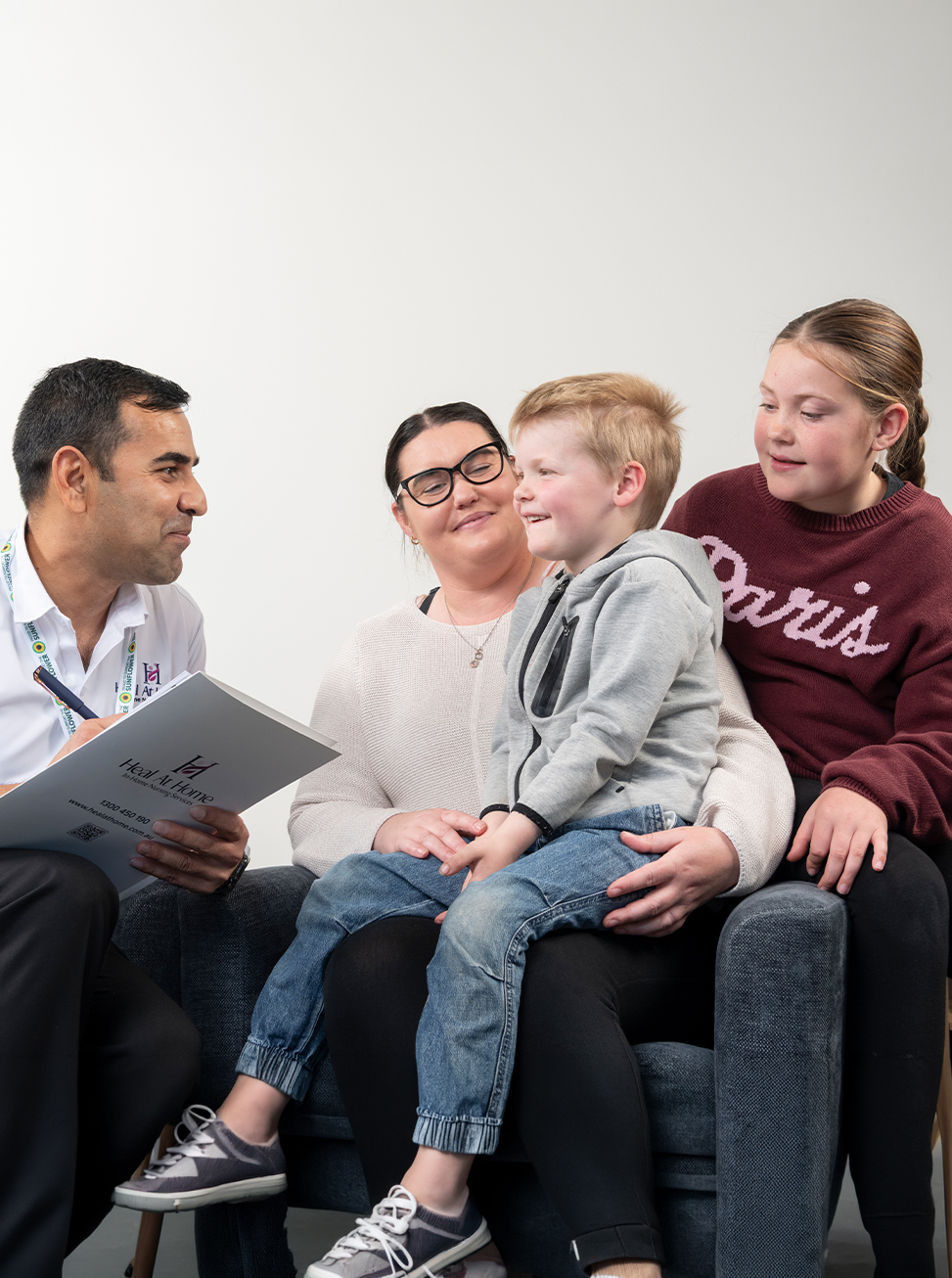
Heal at Home provides comprehensive continence assessments and catheter management for children, adults and older Australians in their own homes and community based settings.
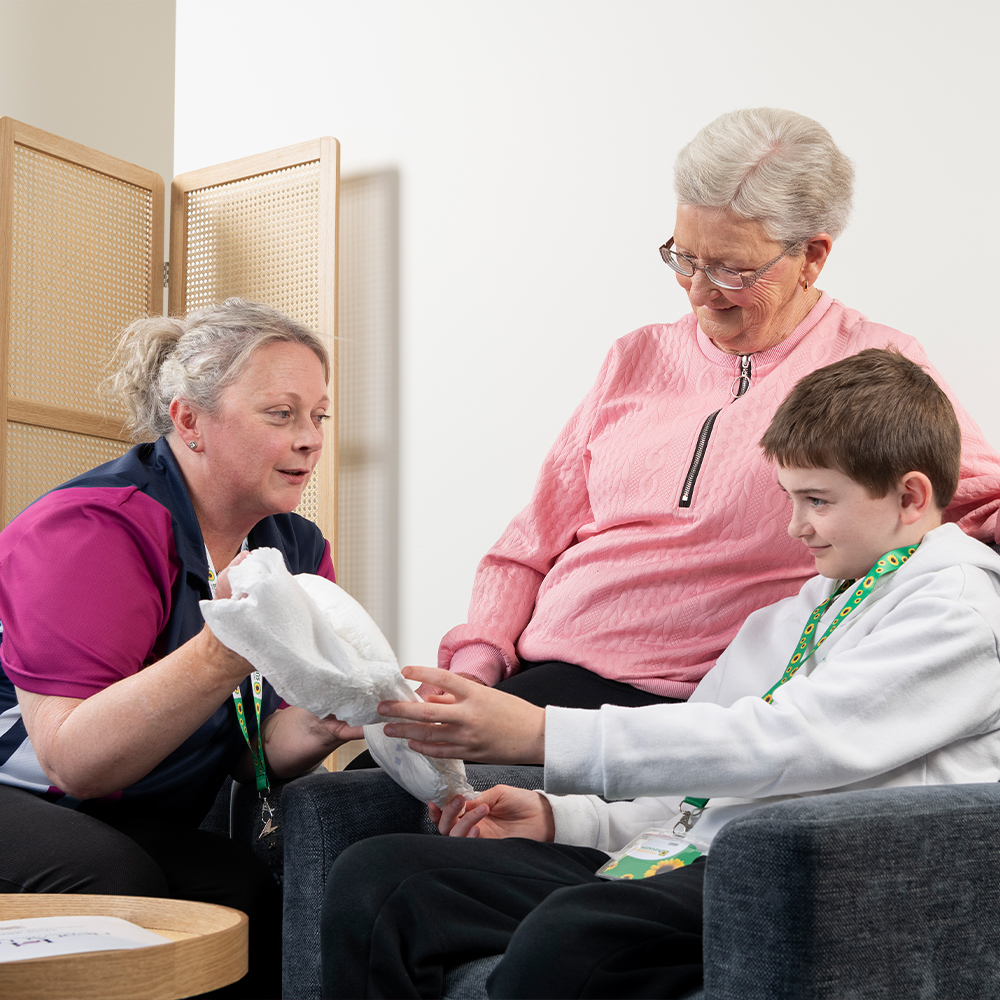
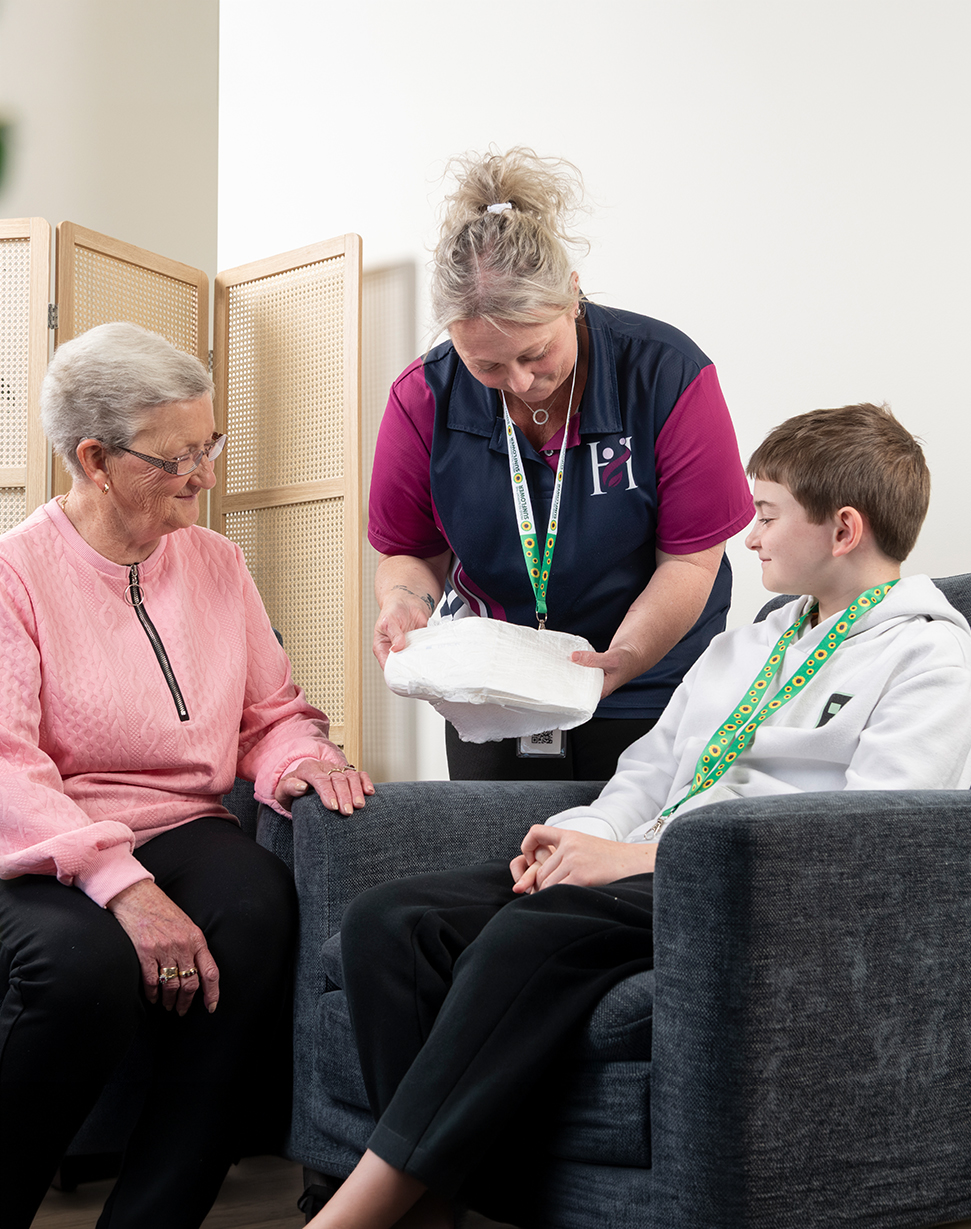
Our experienced registered nurses assess your continence health, catheter requirements, current supports and factors affecting your daily life. We develop personalised care plans, recommend appropriate continence products and provide ongoing catheter care based on your clinical needs.
Where appropriate and with your consent, we work with your family, GP, urologist, continence specialist, support workers and other health professionals to support coordinated care.
Our Continence Services
Comprehensive Continence Support at Home
Comprehensive Continence Assessment
Personalised Continence Care Plan
Continence Product Assessment
NDIS Continence Assessment Report
Bladder Monitoring
Skin Integrity Support
Continence Education
Ongoing Clinical Review
Catheter Management Services
Clinical Catheter Care by Qualified Nurses
Indwelling Catheter Care
Male Catheter Changes
Suprapubic Catheter Changes
Intermittent Catheter Support
Catheter Flushing
Catheter Troubleshooting
Drainage System Management
Catheter Care Plans
Catheter Equipment Recommendations
What We Assess
A Complete Picture of Your Continence Needs

- A continence and catheter assessment may consider:
- Bladder and continence history
- Urinary frequency, urgency and leakage
- Night time toileting and bedwetting
- Difficulty emptying the bladder
- Recurrent urinary tract infections
- Fluid intake and hydration
- Bowel patterns that may affect bladder function
- Current medicines and health conditions
- Mobility, dexterity and ability to use the toilet
- Cognition, communication and required assistance
- Skin condition and moisture related damage
- Current continence products and their effectiveness
- Personal routines, preferences and goals
- Current catheter type, size and balloon volume
- Catheter insertion and change history
- Catheter drainage, blockage, leakage or bypassing
- Catheter related pain, bleeding or signs of infection
- Equipment, storage and infection prevention
- Current family, nursing and support worker involvement
- Emergency and escalation procedures
- The assessment is tailored to the person’s health, circumstances and reason for referral.
WHAT YOU RECEIVE
Clear Recommendations for Safer Continence Care
Following the assessment, you may receive:
Continence Assessment Report
Personalised Continence Care Plan
Catheter Management Plan
Continence Product Recommendations
Risk and Escalation Guidance
Training Recommendations
Review Recommendations
What Our Continence and Catheter Service Does Not Include
Clear Information About Our Role
- Heal at Home focuses exclusively on nursing. Our continence and catheter service does not:
- Provide a medical diagnosis for the underlying cause of incontinence
- Replace your GP, urologist, continence specialist or emergency services
- Prescribe medicines
- Insert or change a catheter without suitable clinical information and confirmed clinical appropriateness
- Guarantee that recommended products or nursing services will be funded by the NDIS, Support at Home or an insurer
- Authorise an untrained support worker to perform a clinical catheter procedure
- Provide emergency or urgent medical treatment
- A new suprapubic catheter or a suprapubic catheter with an uncertain or immature tract requires specialist medical assessment.
- If a catheter has fallen out, is not draining, is causing severe pain or bleeding, or the client is acutely unwell, urgent medical assessment may be required. Call 000 in a medical emergency.
Staff and Family Education
Supporting Safe and Consistent Care
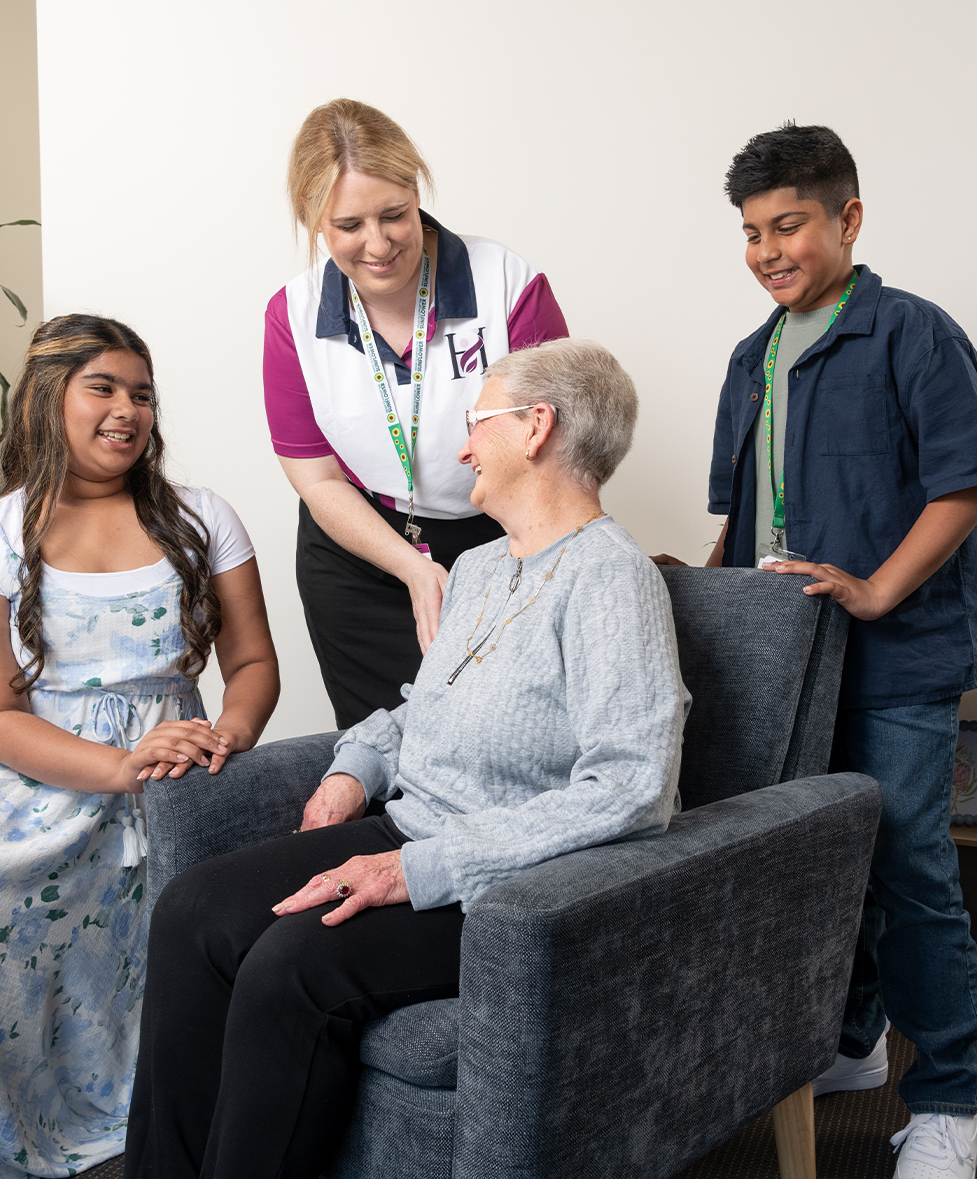
- Our nurses and nurse educators can provide participant specific education for clients, families, support workers and care teams.
- Education may include:
- Understanding the continence or catheter care plan
- Continence product selection and correct use
- Personal hygiene and skin care
- Catheter bag positioning and emptying
- Drainage system management
- Infection prevention
- Fluid monitoring
- Recognising catheter blockage or deterioration
- Documentation and clinical handover
- Emergency and escalation procedures
- Where a catheter related support activity is delegated to a support worker, it requires assessment by a registered nurse, participant specific training, competency confirmation and appropriate clinical oversight.
How the Assessment Process Works
Simple, Clear And Personalised
Contact or Refer
Call our team or complete the nursing assessment referral form.
Initial Discussion
We discuss the reason for referral, current concerns and available clinical information.
Nursing Assessment
A registered nurse completes a comprehensive assessment in the client’s home or another agreed location.
Clinical Documentation
We prepare the relevant assessment report, nursing care plan and recommendations.
Review and Next Steps
We explain the recommendations and discuss nursing care, training or further clinical support where required.
How Continence Assessment Works
A Clear and Personalised Process
Contact or Refer
Initial Discussion
Clinical Information Review
Nursing Assessment
Clinical Documentation
Nursing Support
Ongoing Review
Benefits of a Continence Assessment
Why Specialist Continence Care Matters
Individualised Recommendations
Improved Comfort and Skin Health
Safer Catheter Care
Greater Independence
Reduced Product Waste
Clear Guidance for Care Teams
Ongoing Clinical Review
Why Choose Heal at Home?
Specialist Continence and Catheter Care Across Australia
- Heal at Home is a proudly Australian and family owned nursing organisation. Our continence and catheter services are provided by qualified registered nurses with community nursing experience and relevant clinical expertise.
- Comprehensive continence assessments
- Personalised continence and catheter care plans
- Male indwelling catheter changes
- Suprapubic catheter changes
- Intermittent catheter support
- Catheter troubleshooting and clinical reviews
- Continence product recommendations
- NDIS continence assessment reports
- Client, family and staff education
- Participant specific training and competency assessment
- Services across metropolitan, regional and country communities
- We currently provide services across South Australia, Western Australia, Queensland, New South Wales and Victoria. Contact our team to confirm availability in your location.
What Our Clients Say About Heal at Home
See what our clients and families have to say about their experience with Heal at Home and our personalised in-home nursing and care services.
Posted on Google![]()
Just Better Care AdelaideTrustindex verifies that the original source of the review is Google.
Since using Heal at Home for our client base, we have see an improvement in service and clinical outcomes. Highly recommend Heal at Home !Posted on Google![]()
Anita WebberTrustindex verifies that the original source of the review is Google.
Heal at Home are an excellent nursing provider, always flexible and supportivePosted on Google![]()
Karina GiulianiTrustindex verifies that the original source of the review is Google.
I am a Support Coordinator and work with many providers. I am thrilled with the quality of service provided by the team at Heal at Home. They are clearly a united team. They are responsive, open and honest with the outcomes of their care and they back up this care with excellent documentation and records that compliment the process of monitoring client health. Stand out provider.Posted on Google![]()
J&D SupportsTrustindex verifies that the original source of the review is Google.
Provided excellent training to my staff. Highly recommend
Frequently Asked Questions
Our nurse reviews bladder function, continence concerns, health conditions, mobility, skin health, current products, daily routines and required support. We then prepare personalised clinical and product recommendations.
Yes. We can document the participant’s assessed continence needs, recommended products, estimated quantities and required nursing support. The final funding decision is made by the NDIA.
Yes. Suitably qualified nurses can complete planned male indwelling catheter and suprapubic catheter changes at home when the required clinical information is available.
Yes. Our nurses can assess catheter related concerns and provide appropriate nursing care or escalation. Urgent medical assessment may be required if the catheter has fallen out, is not draining or the client is acutely unwell.
Yes. We provide assessment, care planning and education for clients who require intermittent catheterisation based on their individual clinical needs.
Yes. Following assessment, we can recommend appropriate products, sizes, absorbency levels and estimated quantities based on the client’s needs and routine.
Yes. Our nurse educators can provide participant specific catheter care training and competency assessments. Delegated activities must remain within the worker’s role and follow the current care plan and clinical instructions.
Have Another Question?
Our Clinical Partners
We work with and maintain professional affiliations with respected Australian nursing and clinical organisations.
Wounds Australia
Clinical Partner

Continence Health
Australia Member
Australian College of Nursing
Affiliate Member